
Medical Aesthetics Diploma in Ontario: Programs and Careers
Medical Aesthetics Diploma in Ontario: Programs, Costs, and Careers
Medical aesthetics is one of the fastest-growing segments of healthcare in Ontario. Clinics across the GTA, Ottawa, and Waterloo region are hiring trained professionals who can operate lasers, perform chemical peels, administer microneedling, and support injectable procedures. If you are considering a medical aesthetics diploma, this guide covers what to expect from Ontario programs, what they cost, and what the career looks like after graduation.
What You Learn in a Medical Aesthetics Diploma Program
A medical aesthetics diploma goes beyond standard esthetics training. You learn clinical procedures performed in medical spas, dermatology offices, and plastic surgery clinics. The core subjects in most Ontario programs include:
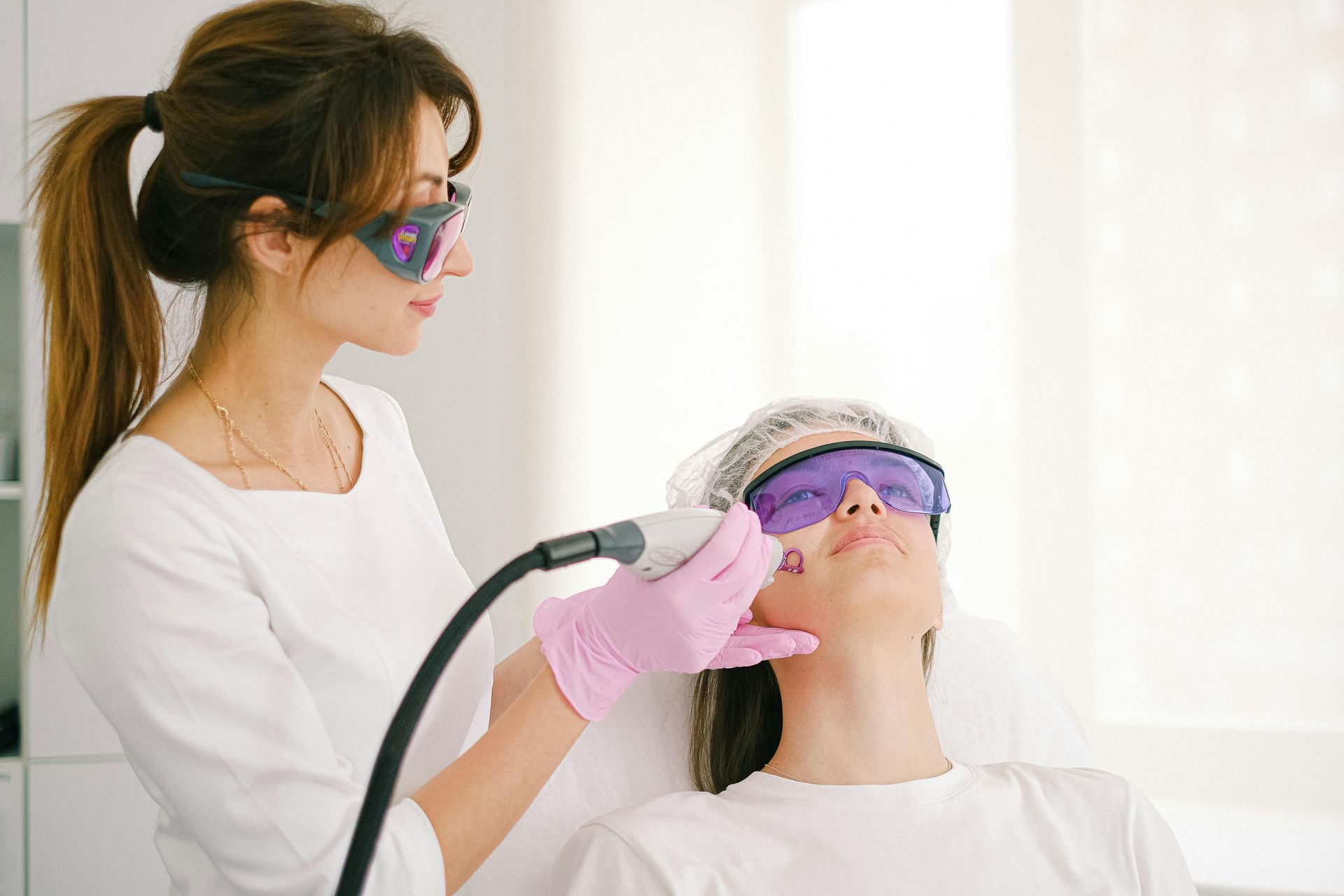
Laser and light therapy. IPL (intense pulsed light), Nd:YAG, diode laser, and alexandrite laser systems. You learn how each wavelength targets specific chromophores in the skin: melanin for pigmentation, hemoglobin for vascular lesions, and water for resurfacing. Protocols for hair removal, skin rejuvenation, acne treatment, and vascular therapy are covered in detail.
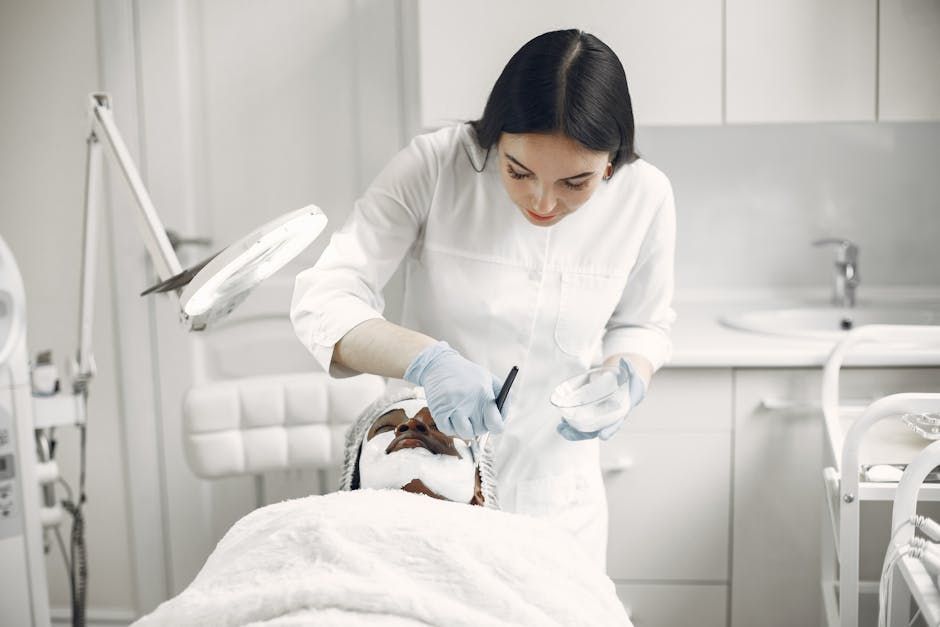
Chemical peels. Superficial, medium, and deep peel protocols using glycolic acid, salicylic acid, TCA (trichloroacetic acid), and phenol. You learn Fitzpatrick skin typing, contraindications, pre-treatment prep, and post-treatment care for each depth level.
Microneedling. Manual and device-based microneedling for collagen induction therapy. Protocols cover needle depth selection, treatment mapping by facial zone, and combination therapies (microneedling + PRP, microneedling + serums). You practice on real clients under supervision.
Injectable support. While registered nurses and physicians administer Botox and dermal fillers in Ontario, medical aestheticians assist with patient intake, facial mapping, consent forms, aftercare instructions, and treatment room preparation. Understanding injection anatomy and product types is part of the curriculum.
Skin science at a clinical level. Histology, wound healing, scar formation, pigment disorders, rosacea pathology, and how the skin responds to different treatment modalities. This foundation separates medical aestheticians from general estheticians in clinical settings.
How to Choose a Medical Aesthetics Program in Ontario
Ontario has dozens of schools offering some form of medical aesthetics training. The quality varies significantly. Here is what separates strong programs from weak ones:
Accreditation matters. Look for programs at schools with independent accreditation beyond the baseline Ontario Career Colleges Act registration. Gina's College of Advanced Aesthetics holds CIDESCO international accreditation (school code CA433), the world standard for beauty and spa education. This means the curriculum, instructors, and equipment meet international benchmarks verified by regular audits.
Hands-on hours. The best programs allocate 60-70% of total training time to supervised clinical work on real clients. At Gina's College, approximately 70% of program time is hands-on. You graduate having performed hundreds of treatments, not a handful. Ask any school you are considering: how many hours of real client treatments will I complete?
Equipment access. Medical aesthetics requires expensive professional-grade equipment. Confirm the school uses the same devices you will encounter in clinics after graduation. Training on outdated machines means retraining on the job.
OSAP eligibility. Not all programs qualify for Ontario Student Assistance Program funding. Gina's College programs are OSAP-eligible , which can cover a significant portion of tuition and living expenses.
Medical Aesthetics Salary in Ontario (2025-2026)
Compensation varies by employer type, location, and specialization. Here are current ranges based on Ontario job market data:
Entry-level medical aesthetician (0-2 years): $38,000 to $48,000 per year. Typical employers: chain medical spas, wellness clinics, dermatology offices.
Experienced medical aesthetician (3-5 years): $50,000 to $65,000 per year. Higher pay comes with laser specialization, injectable support experience, and client retention skills.
Senior medical aesthetician or clinic lead (5+ years): $65,000 to $85,000 per year. Includes commission, performance bonuses, and sometimes profit-sharing at private clinics.
Self-employed or mobile medical aesthetician: $70,000 to $120,000+ per year. Requires business skills, a strong referral network, and often your own equipment. Many graduates build a private practice within 3-5 years of starting their career.
Location also matters. Toronto and the GTA pay 10-15% more than smaller markets. Ottawa and the Waterloo region fall in the mid-range. Northern Ontario offers fewer positions but less competition.
Medical Aesthetics Diploma at Gina's College
Gina's College offers the Medical Aesthetics Diploma across its three Ontario campuses: Mississauga (head office at 7-3045 Southcreek Rd.), Ottawa (1471 Merivale Rd.), and Waterloo. The program covers all the clinical competencies listed above plus business skills for private practice.
What makes this program different from other Ontario options:
CIDESCO accreditation. Gina's is the only private career college in Ontario with this international credential. Your diploma carries weight in 40+ countries.
70% hands-on training. You spend the majority of your program performing real treatments in the student clinic. By graduation, you have logged hundreds of client hours.
Three campus options. Whether you are based in the GTA, Ottawa, or Waterloo region, there is a campus within driving distance. All three deliver the same curriculum and CIDESCO standard.
OSAP eligible. Financial aid is available for qualifying students. The admissions team can walk you through the application process during your initial consultation.
Ready to start? Apply to the Medical Aesthetics Diploma program or contact admissions to book a campus tour.
Career Paths After Your Medical Aesthetics Diploma
Graduates enter several career tracks depending on their interests and specialization:
Medical spa aesthetician. The most common entry-level role. You perform laser treatments, chemical peels, microneedling, and skin consultations in a medical spa setting. Hours are typically Monday to Saturday, with evenings common.
Dermatology clinic support. You work alongside dermatologists performing pre-treatment assessments, post-treatment care, and device-based procedures. This role demands strong clinical knowledge and comfort with medical terminology.
Laser technician. Specialized role focused on laser hair removal, skin resurfacing, and vascular treatments. High demand in Ontario, especially in the GTA. Requires additional laser certification.
Plastic surgery clinic aesthetician. You support pre- and post-operative skin care for cosmetic surgery patients. Requires knowledge of wound healing, scar management, and medical-grade skincare protocols.
Educator or trainer. Experienced medical aestheticians can move into training roles at equipment manufacturers, skincare brands, or colleges. Strong communication skills and a deep technical background are essential.
Frequently Asked Questions
How long is the medical aesthetics diploma program?
Program length varies by school. At Gina's College, the Medical Aesthetics Diploma is a full-time program that builds on the Advanced Aesthetics foundation. Total program duration depends on whether you enter with prior esthetics training or start from the beginning.
Is the medical aesthetics diploma OSAP eligible?
Yes, at Gina's College. All diploma programs are OSAP-eligible. Students can apply for Ontario Student Assistance Program funding to help with tuition and living costs.
Can I do medical aesthetics without a nursing degree?
Yes. In Ontario, medical aestheticians perform laser treatments, chemical peels, microneedling, and skin consultations without a nursing degree. Injectable procedures (Botox, fillers) require a nurse or physician. A medical aesthetics diploma qualifies you for all non-injectable clinical procedures.
What is the difference between an esthetician and a medical aesthetician?
An esthetician performs spa-level treatments: facials, waxing, body treatments. A medical aesthetician performs clinical procedures: laser therapy, chemical peels, microneedling, and works in medical settings. Medical aestheticians complete additional training in skin science, laser physics, and clinical protocols.
Where can I work with a medical aesthetics diploma in Ontario?
Medical spas, dermatology clinics, plastic surgery offices, wellness centres, laser clinics, and private practice. High-demand areas include Toronto, Mississauga, Ottawa, Waterloo, Hamilton, and London.
How much do medical aestheticians earn in Ontario?
Entry-level: $38,000-$48,000/year. With 3-5 years of experience: $50,000-$65,000/year. Senior or self-employed medical aestheticians can earn $65,000-$120,000+ depending on specialization and client base.
Recent Posts