
Beauty School in Ontario: How to Choose the Right Program

Gina's College Team • April 13, 2026

Share this article

Beauty School in Ontario: How to Choose the Right Program

Choosing a beauty school in Ontario is one of the most important decisions you'll make for your career. The school you attend determines the quality of your training, the credential you graduate with, and directly shapes which employers and clients will take you seriously. There are dozens of programs across the province, and they vary significantly in what they offer.

This guide cuts through the noise. Here's what actually matters when comparing beauty schools in Ontario, and the questions you should be asking before you commit.

Understand What You're Actually Comparing

The term "beauty school" covers a wide range of programs. Some teach basic aesthetics, nail care, or hair removal over a few weeks. Others offer comprehensive diploma programs that run 10-12 months and include hands-on clinical training, anatomy and physiology, business fundamentals, and multiple treatment modalities. The credential you graduate with from each of these is not equivalent.

Before comparing schools, get clear on what you want to do after you graduate. If you want to work in a day spa doing facials and waxing, a certificate-level program may get you there. If you want to work in a medical spa, clinical aesthetics environment, or luxury resort, or if you want to eventually run your own practice, you need a diploma from a program with recognized accreditation and substantial hands-on hours.

The schools that stand out are the ones that are honest about what their graduates can and can't do. Ask directly: what types of employers hire your graduates, and can you share specific examples?

What Accreditation Actually Means

Accreditation is the single most important factor when evaluating a beauty school. It tells you that an independent body has reviewed the school's curriculum, facility, instructor qualifications, and outcomes, and determined it meets a defined standard. Not all accreditations are equal.

In Ontario, the most common accreditation for private career colleges is through NACC (National Association of Career Colleges). NACC accreditation is a solid national standard. Schools with NACC accreditation are recognized across Canada, which qualifies their graduates to work in any province.

The highest-level credential in aesthetics education globally is CIDESCO, which stands for Comité International d'Esthétique et de Cosmétologie. CIDESCO is an international body founded in 1946 and based in Switzerland. CIDESCO-accredited programs are recognized in 40+ countries. In Ontario, Gina's College of Advanced Aesthetics is the only school that holds CIDESCO accreditation. If international portability or a premium credential matters to your career goals, this distinction is significant.

Schools registered under the Ontario Career Colleges Act, 2005 are subject to provincial oversight and student protection requirements. This registration is separate from accreditation, but it's required for OSAP eligibility. Always confirm a school has this registration before assuming OSAP applies.

Hands-On Training Hours: The Number That Matters Most

You cannot become a competent esthetician from a classroom alone. The number of hands-on clinical training hours in a program is the most direct indicator of how prepared you'll be when you graduate.

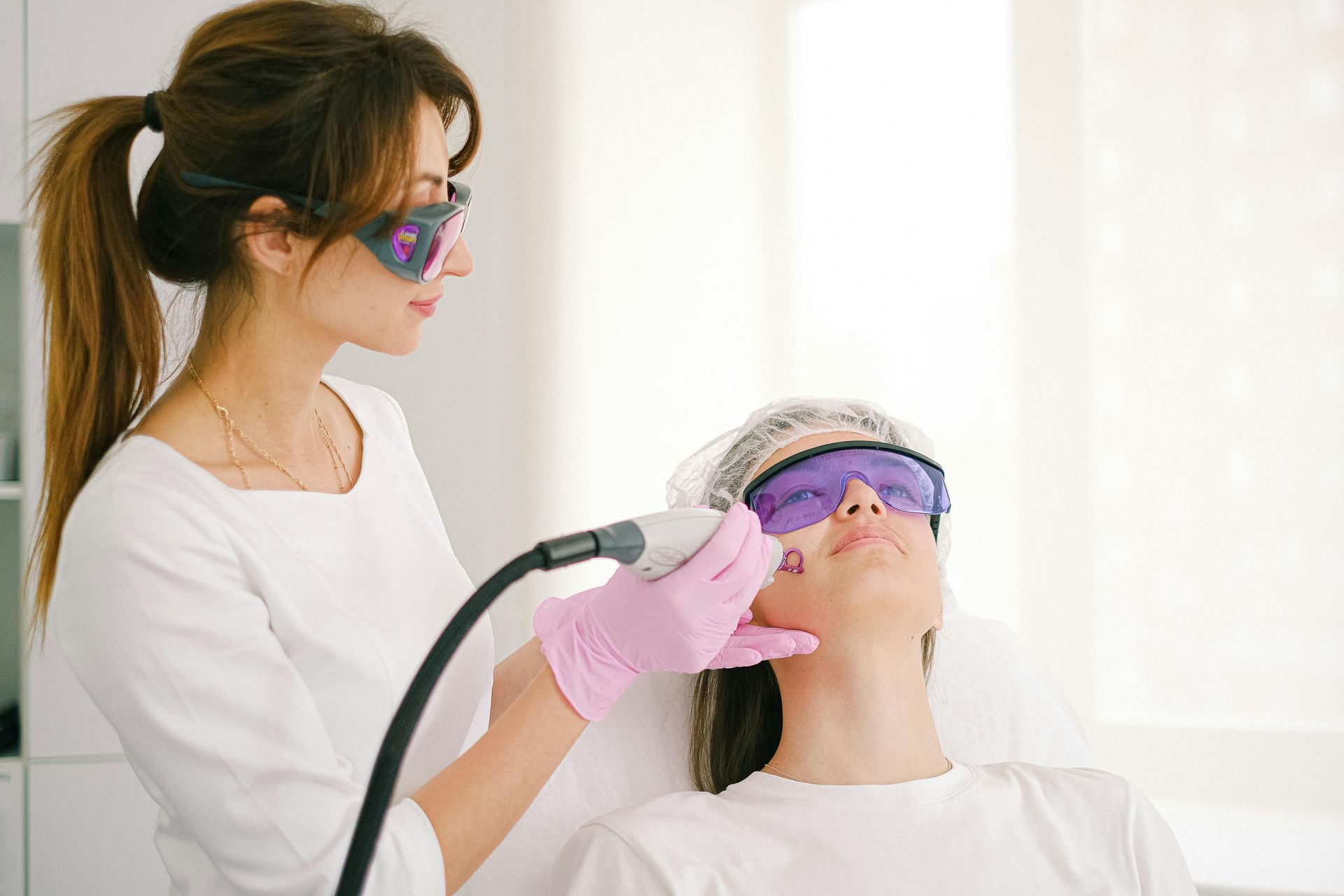
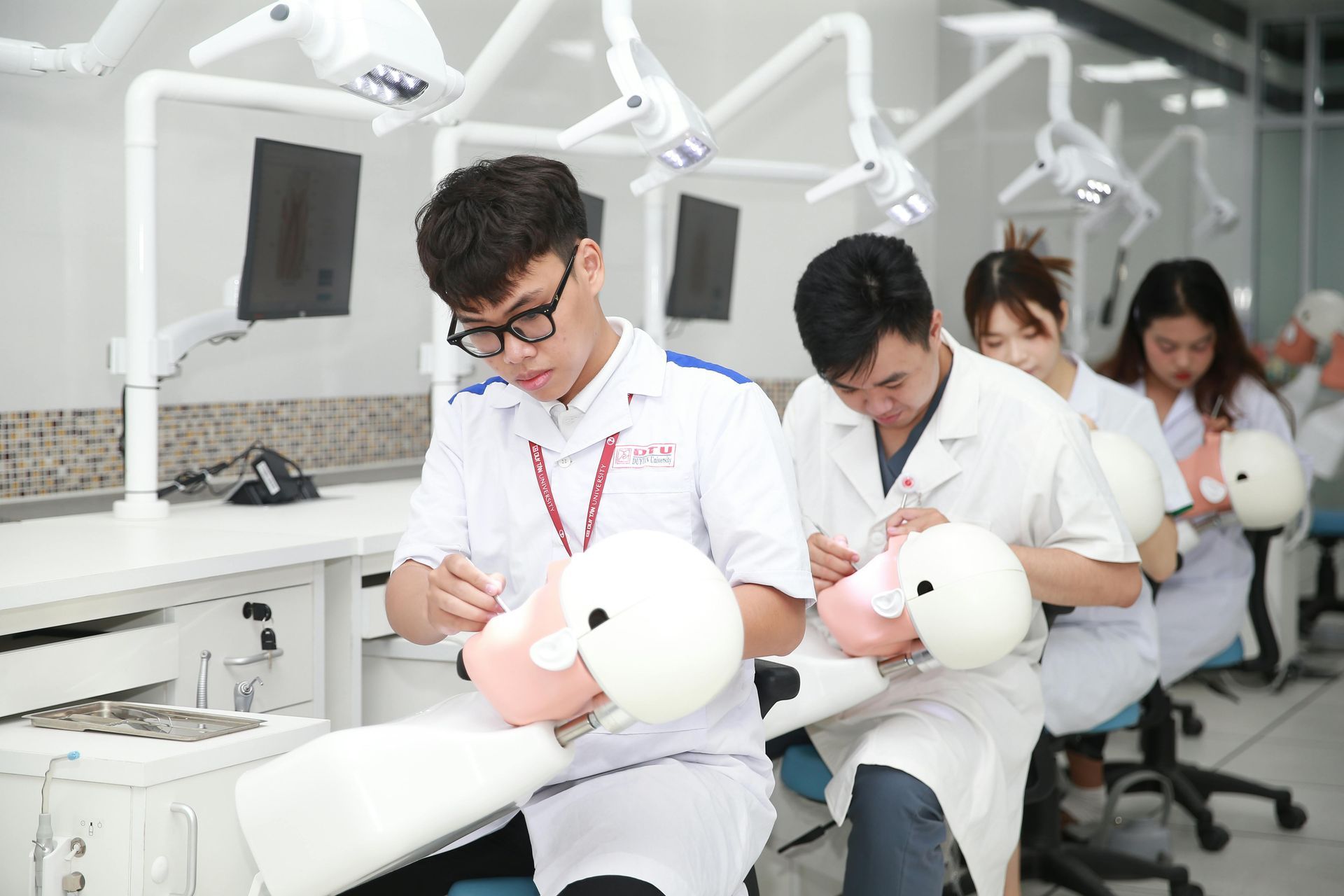
Ask every school you're considering: what percentage of the program is hands-on? Ask specifically whether that means supervised work on real clients, not just practice on classmates or mannequins in a training lab. Real-client clinical work is different from peer practice, and employers can tell the difference immediately.

Programs with 60-70% hands-on training on real clients produce graduates who are ready to work from day one. Programs that are primarily lecture-based with some practical components produce graduates who still have a significant learning curve ahead of them once they're on the floor.

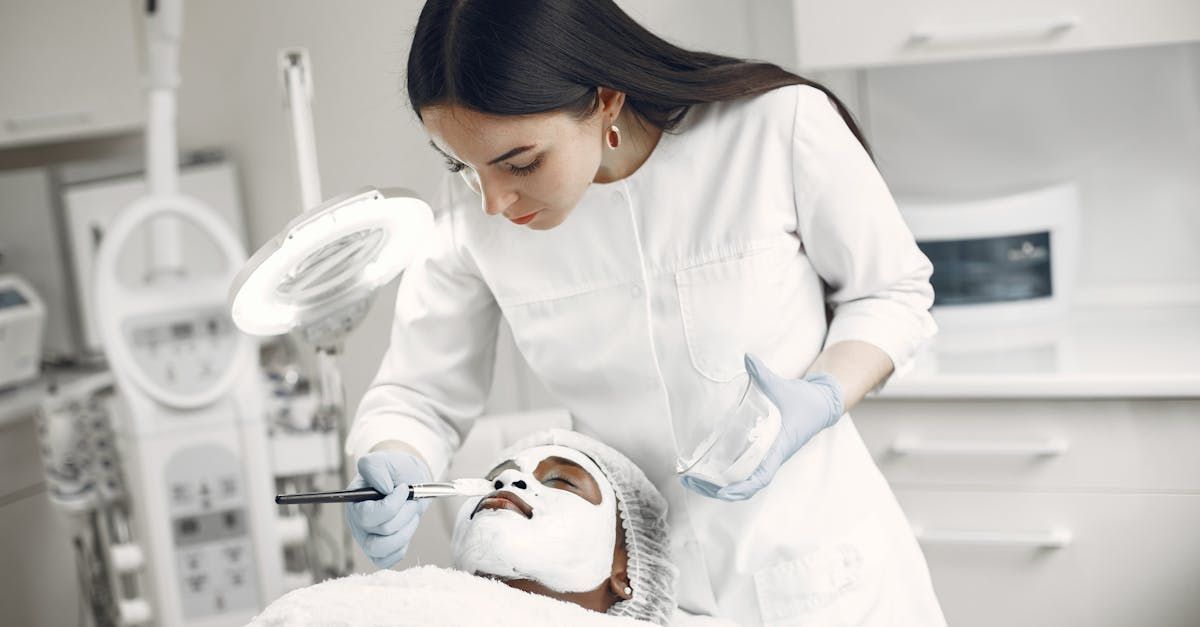
At Gina's College, 70% of the program is hands-on clinical training. Students work on real clients in the supervised student clinic throughout the program, building practical speed, technique, and confidence before they graduate.

OSAP and Financial Aid: What to Verify

Tuition at reputable beauty schools in Ontario typically ranges from several thousand to tens of thousands of dollars depending on program length and depth. Most students need some form of financial assistance.

OSAP (Ontario Student Assistance Program) is available to students at qualifying institutions. To be OSAP-eligible, the school must be registered under the Ontario Career Colleges Act, 2005. Not all private beauty schools have this registration. Before you accept a seat in any program, confirm explicitly whether OSAP applies.

Some schools also offer internal payment plans or access to bursaries and scholarships. Ask about these during your campus visit. The admissions team should be able to walk you through the full financial picture during your initial consultation, not after you've committed to enrollment.

Program Length and Delivery Options

A program that's too short is a red flag. Comprehensive aesthetics training takes time. A diploma-level program should run at least 8-12 months full-time to cover the curriculum depth required for professional practice.

That said, not every student can commit to full-time study. Look for schools that offer part-time or flexible scheduling options, particularly if you're working while you study. The best schools accommodate different student situations without compromising the program's integrity.

Be skeptical of programs that claim to deliver a full esthetics education in a matter of weeks. What looks like a time-saving shortcut usually results in a credential that employers recognize as superficial.

What to Look For During a Campus Visit

Visit the campus before you enroll. This is non-negotiable. You can learn more from 30 minutes on campus than from hours of reading marketing materials.

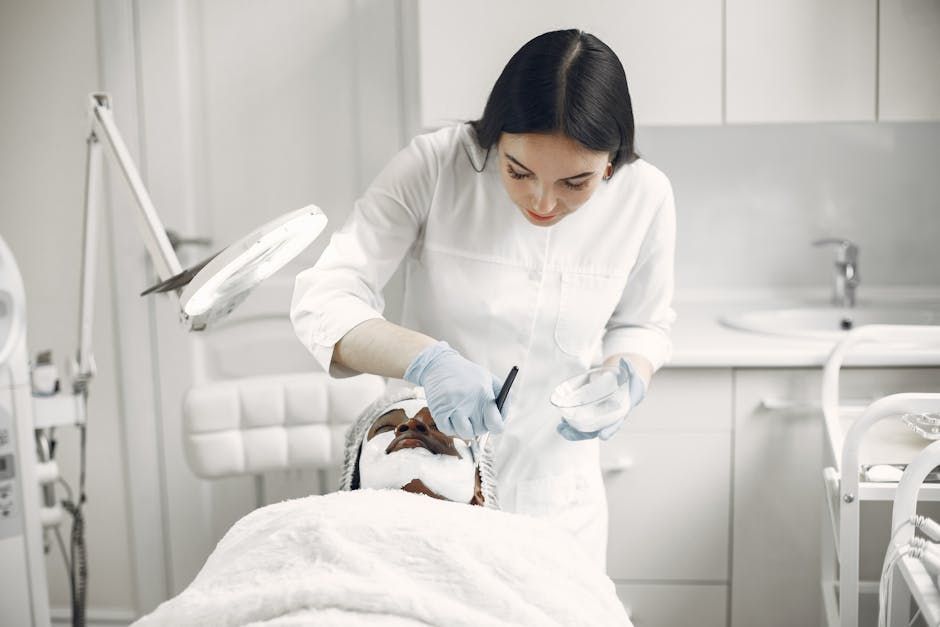
During your visit, look at the clinical space where students practice. Is it a real working spa environment with proper equipment, or a repurposed classroom? Talk to current students if possible. Ask them about the pace, the instructor quality, and whether they feel prepared for what comes after graduation.

Pay attention to how the admissions team talks about the credential and graduate outcomes. Specific examples, named employers, and honest answers to your questions are good signs. Vague promises and deflection are not.

Ask to see the curriculum breakdown: how many hours per week, what subjects, what's covered in the practical component, and what the graduation requirements are. You should leave a campus visit with clear answers to all of these.

Frequently Asked Questions

What's the difference between a beauty certificate and a beauty diploma in Ontario?

A certificate typically covers a specific skill or short program, often completable in weeks or a few months. A diploma is a comprehensive program covering multiple modalities, clinical practice, and often anatomy and business fundamentals. Diplomas qualify graduates for a wider range of positions and typically lead to higher earning potential.

Which Ontario beauty schools are OSAP-eligible?

Schools registered under the Ontario Career Colleges Act, 2005 qualify for OSAP. You can verify OSAP eligibility directly with the school's admissions team or through the Ontario government's website. Gina's College is OSAP-eligible at all three campuses: Mississauga, Waterloo, and Ottawa.

How do I know if a beauty school's accreditation is real?

Ask the school to name their accrediting body and verify it directly with that organization. NACC maintains a public list of accredited schools. CIDESCO publishes its accredited school list on its international website. If a school claims accreditation but can't point you to a verifiable public record, treat that as a warning sign.

What is CIDESCO and why does it matter?

CIDESCO stands for Comité International d'Esthétique et de Cosmétologie. It's the highest internationally recognized credential in aesthetics education, founded in 1946 in Switzerland and recognized in 40+ countries. In Ontario, only Gina's College holds CIDESCO accreditation. It matters because it signals a training standard that most national credentials don't match, and it opens doors to international employment.

How long does a full esthetics diploma take in Ontario?

A comprehensive diploma program runs approximately 10-12 months full-time. Part-time options typically extend the timeline to 18-24 months. Programs significantly shorter than 10 months full-time should be evaluated carefully, as they may not cover the curriculum depth that employers in medical spas or clinical settings require.

If you're comparing programs in Ontario, the diploma programs at Gina's College are a strong benchmark. You can also book a campus tour at any of the three Ontario locations to see the clinical environment firsthand and speak with the admissions team directly.

Recent Posts

By Gina's College Team April 13, 2026
Searching for a beauty school near you in Ontario? Here's what to look for — accreditation, hands-on training, OSAP eligibility, and programs at three campus locations.
By Gina's College Team April 13, 2026
Medical aesthetician programs in Ontario train you in laser therapy, chemical peels, microneedling, and advanced skin care. Learn what the program covers, salary, and how to enroll.

By Gina's College Team April 13, 2026
CIDESCO is the world's most respected beauty credential, recognized in 40+ countries. Learn what it covers and how Gina's College helps you earn it in Ontario.
By Gina's College Team April 13, 2026
Become an esthetician in Ottawa at Gina's College. Ontario's only CIDESCO-accredited school, OSAP-eligible, with a campus right in Ottawa. Start your aesthetics career today.
By Gina's College Team March 21, 2026
Explore esthetician school options in Ottawa, Ontario. Learn about CIDESCO-accredited programs, costs, OSAP eligibility, and how to start your aesthetics career.
By The Gina's College Team March 21, 2026
Comparing beauty schools and colleges in Ontario. Learn the differences in accreditation, program length, hands-on training, OSAP eligibility, and career outcomes.
By The Gina's College Team March 21, 2026
Laser technician courses in Ontario cover hair removal, skin resurfacing, and vascular therapy. Learn what to expect, certification options, and salary for laser techs.
By The Gina's College Team March 21, 2026
Explore medical aesthetics diploma programs in Ontario. Learn about laser therapy, chemical peels, microneedling training, salary expectations, and OSAP eligibility.
By The Gina's College Team March 21, 2026
The CIDESCO diploma is the world standard in aesthetics education, recognized in 40+ countries. Learn what it covers, who offers it in Ontario, and how it advances your career.
By Gina's College of Advanced Aesthetics March 21, 2026
Thinking about a career in aesthetics? Here's what to look for in a program, how long it really takes, and why hands-on training makes all the difference.
Show More