
Beauty School vs College in Ontario: How to Choose
Beauty School vs College in Ontario: How to Choose the Right Program
Searching for aesthetics training in Ontario brings up dozens of options. Private beauty schools, public colleges, and hybrid programs all compete for your attention. The differences between them affect your career more than most students realize. This guide compares the key factors: accreditation, program length, hands-on hours, financial aid, and what employers actually look for when hiring.
Private Career College vs Public College: The Core Difference
In Ontario, "beauty school" usually refers to a private career college registered under the Ontario Career Colleges Act (2005). "College" typically means a public college of applied arts and technology (like Algonquin, George Brown, or Conestoga) funded by the provincial government.
Both can be legitimate. Both can prepare you for a career. The differences are in structure:
Private career colleges focus exclusively on career-specific training. Your entire program is about aesthetics, hairstyling, or medical aesthetics. Classes are smaller (typically 10-25 students). Programs are shorter (6-18 months). Start dates are more flexible (multiple intakes per year rather than September-only). The trade-off: tuition is often higher, and the quality varies widely between schools.
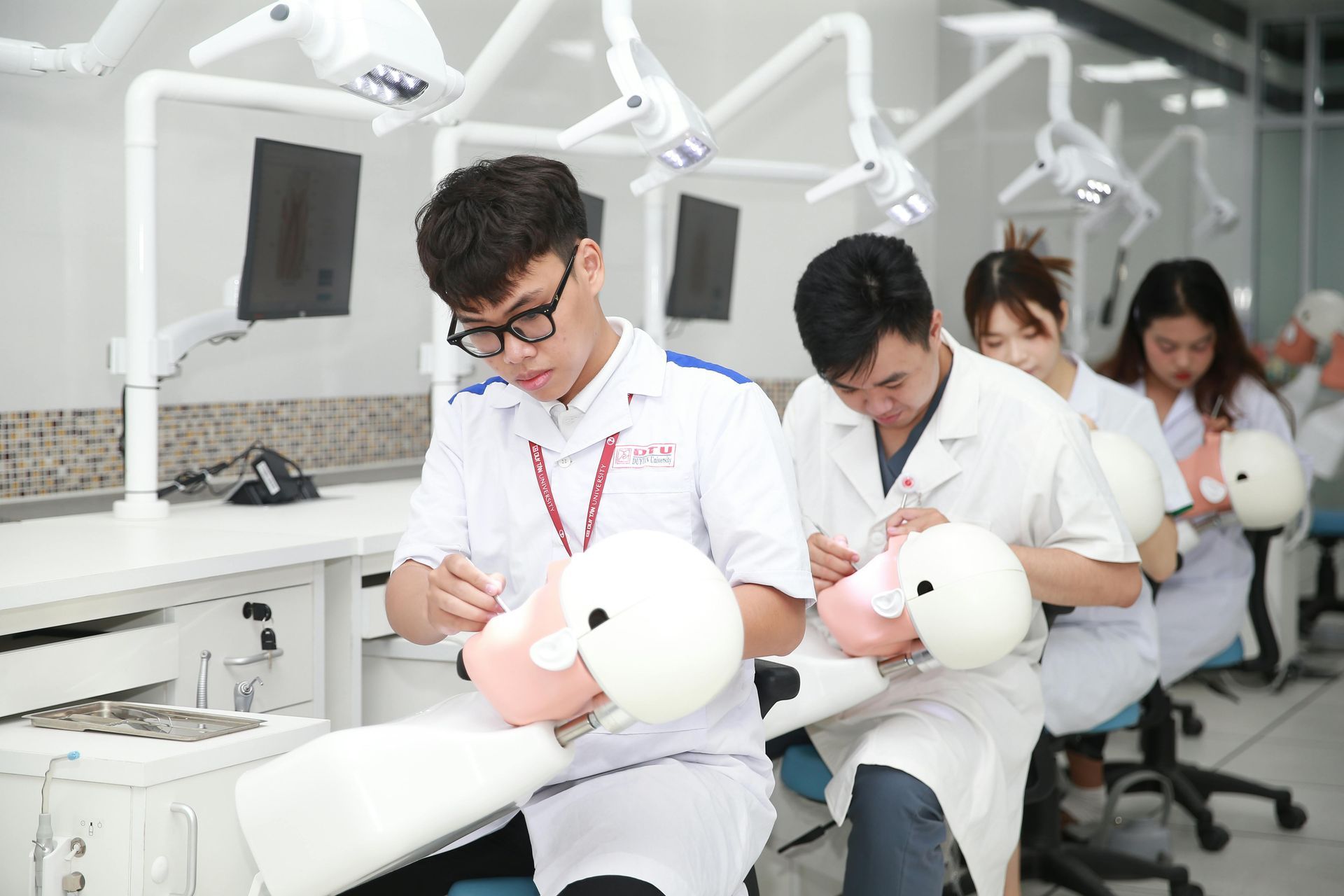
Public colleges offer broader programs that may include general education courses alongside technical training. Class sizes are larger (30-50+ students). Programs are longer (2-3 years for a diploma). Start dates are fixed (September, sometimes January). Tuition is lower because the government subsidizes public institutions. The trade-off: less specialized focus and fewer hands-on hours per dollar spent.
Accreditation: The Factor Most Students Overlook
This is the single most important differentiator. All Ontario career colleges must register under the Ontario Career Colleges Act. But that registration is a minimum standard. It confirms the school operates legally. It does not evaluate the quality of education.
Independent accreditation is what separates strong schools from weak ones. The gold standard in aesthetics is CIDESCO (Comité International d'Esthétique et de Cosmétologie), the world's leading accreditation body for beauty and spa therapy education. CIDESCO accredits individual schools after auditing their curriculum, instructors, equipment, and student outcomes.
In Ontario, Gina's College of Advanced Aesthetics is the only private career college with CIDESCO accreditation (school code CA433). This means graduates receive both an Ontario diploma and the CIDESCO International Diploma, recognized in 40+ countries. No public college in Ontario holds this credential for aesthetics.
Why does this matter? Three reasons: 1) Employers at high-end clinics and medical spas prefer or require CIDESCO graduates. 2) The credential is portable internationally. 3) The accreditation process guarantees a level of hands-on training and instructor quality that unaccredited programs may not match.
Hands-On Training Hours: Where Quality Shows
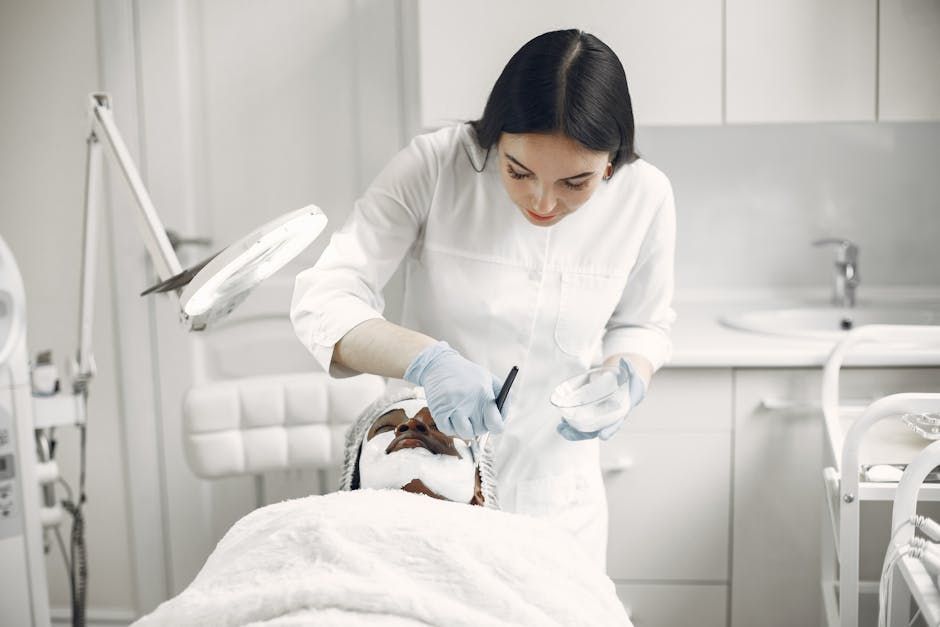
Aesthetics is a hands-on profession. You cannot learn facials, laser treatments, or waxing from a textbook alone. The number of supervised clinical hours in your program directly affects how job-ready you are at graduation.
At Gina's College, approximately 70% of program time is spent performing treatments on real clients in the student clinic. This is well above the industry average. Students graduate having completed hundreds of supervised treatments across multiple modalities.
When comparing schools, ask this question directly: "How many hours of real client treatments will I complete before graduation?" If the answer is vague or the school emphasizes theory over practice, that is a red flag. The best employers will ask about your clinical hours during interviews.
Financial Aid and OSAP Eligibility
Cost is a real factor. Here is how it breaks down:
Public colleges: Lower tuition ($3,000-$8,000/year for domestic students). OSAP eligible. Additional costs for kits, supplies, and textbooks. Longer program duration means more time out of the workforce.
Private career colleges: Higher tuition ($8,000-$25,000 for the full program, depending on the school and program). Not all private colleges qualify for OSAP. At Gina's College, all programs are OSAP-eligible , which makes a meaningful difference in affordability.
When comparing costs, calculate the total investment: tuition + supplies + living expenses during program length. A shorter private program (12 months) means you enter the workforce sooner than a longer public program (24 months), which offsets the tuition difference through earlier earning potential.
What Employers Look for When Hiring
We work with employers across Ontario. Here is what they consistently tell us they look for in entry-level hires:
Clinical hours. Employers want graduates who have performed real treatments on real clients. A portfolio of clinical hours matters more than a transcript of theory courses.
Accreditation. CIDESCO is the most recognized credential. Medical spas and luxury clinics specifically seek it. General salons are less particular about accreditation but still prefer graduates from registered career colleges.
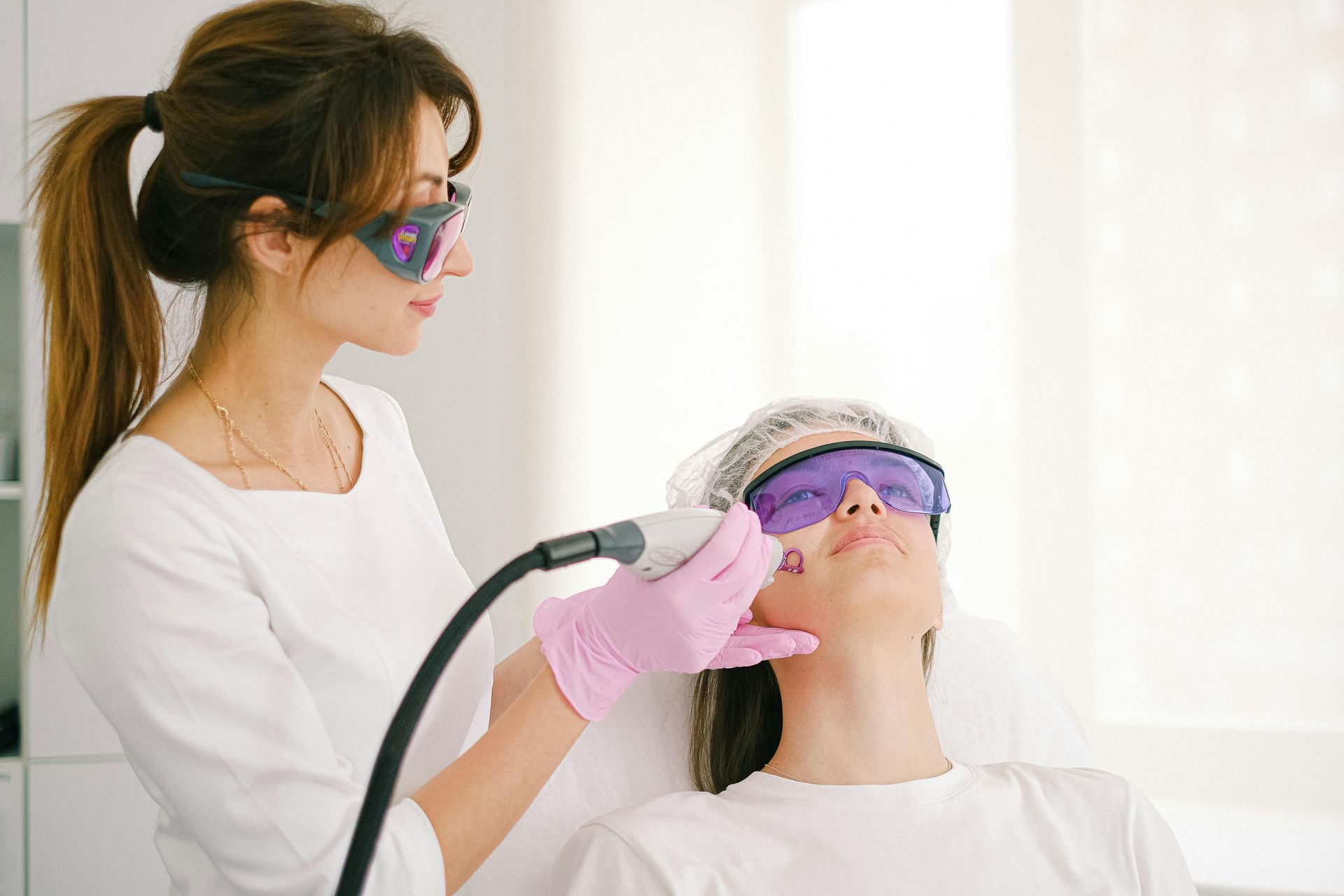
Specialization. Graduates with laser training, medical aesthetics, or advanced skin care specializations command higher starting salaries and have more job options than general esthetics graduates.
Professionalism. Client communication, consultation skills, hygiene standards, and punctuality. Programs that include business and client management training produce more employable graduates.
Best Beauty School in Ontario: What to Look For
There is no single "best" school for every student. Your best fit depends on your location, budget, career goals, and learning style. Here is a checklist for evaluating any program:
1. Is the school registered under the Ontario Career Colleges Act? (Baseline requirement. Non-negotiable.)
2. Does it hold independent accreditation (CIDESCO, CESA membership, or similar)?
3. What percentage of program time is hands-on clinical work? (Look for 60%+ of total hours.)
4. Are programs OSAP-eligible?
5. What equipment will you train on? Is it the same equipment used in professional clinics?
6. What are the employment rates for recent graduates?
7. Can you visit the campus and observe a class before enrolling?
Gina's College checks every box on this list. Three campuses ( Mississauga, Ottawa, and Waterloo ), CIDESCO accreditation, OSAP eligibility, 70% hands-on training, and 40+ years of graduates working across Ontario and internationally.
Frequently Asked Questions
Is a beauty school diploma recognized by employers in Ontario?
Yes. Diplomas from Ontario-registered career colleges are recognized by employers across the province. Schools with additional accreditation (like CIDESCO) carry more weight, especially at medical spas and high-end clinics.
Can I get OSAP for beauty school in Ontario?
Some private career colleges qualify for OSAP, but not all. At Gina's College, all diploma and certificate programs are OSAP-eligible. Confirm OSAP eligibility with any school before enrolling.
How long does beauty school take in Ontario?
Private career college programs range from 6 to 18 months depending on the diploma. Public college programs typically run 2-3 years. Certificate programs (for specific skills like laser or microneedling) can be as short as a few weeks.
What is the best beauty school in Ontario?
The best school depends on your goals, location, and budget. Key factors to evaluate: accreditation (CIDESCO is the gold standard), hands-on clinical hours (60%+ of program time), OSAP eligibility, and employment outcomes. Gina's College is Ontario's only CIDESCO-accredited private career college, with campuses in Mississauga, Ottawa, and Waterloo.
Can I work internationally with an Ontario beauty school diploma?
With a standard Ontario diploma, your options are limited to countries that recognize Canadian training. With a CIDESCO International Diploma (available through Gina's College), your credential is recognized in 40+ countries, opening doors to careers in Europe, the Middle East, Asia, and beyond.
What is the salary for beauty school graduates in Ontario?
Entry-level estheticians earn $32,000-$42,000/year. With medical aesthetics or laser specialization, salaries range from $45,000-$65,000/year. Senior practitioners and self-employed aestheticians can earn $65,000-$120,000+ depending on their specialization and client base.
Recent Posts